

Valentine’s Day is often marketed as a celebration of romantic love. It’s filled with couples, flowers, and grand gestures. While this can feel joyful for some, it can be emotionally difficult for individuals who are single, recently separated or divorced, grieving, or navigating major life transitions. For many, Valentine’s Day can intensify feelings of loneliness, sadness, or exclusion.
Mental health data confirms that these feelings are common. According to the National Institute of Mental Health, more than 1 in 5 adults in the United States experiences a mental health condition each year, and feelings of loneliness and disconnection are increasingly recognized as a public-health concern. If Valentine’s Day feels hard for you, you are not alone!
This is where Palentine’s Day offers a refreshing and inclusive alternative.
What Is Palentine’s Day?
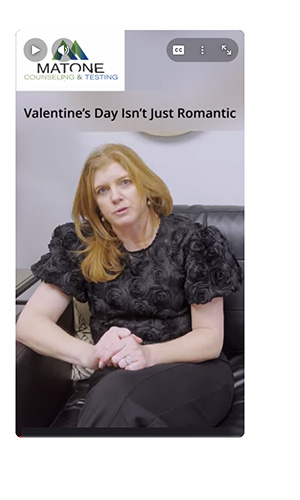
Check out our Palentine Video on Matone Counseling & Testing YouTube Channel!
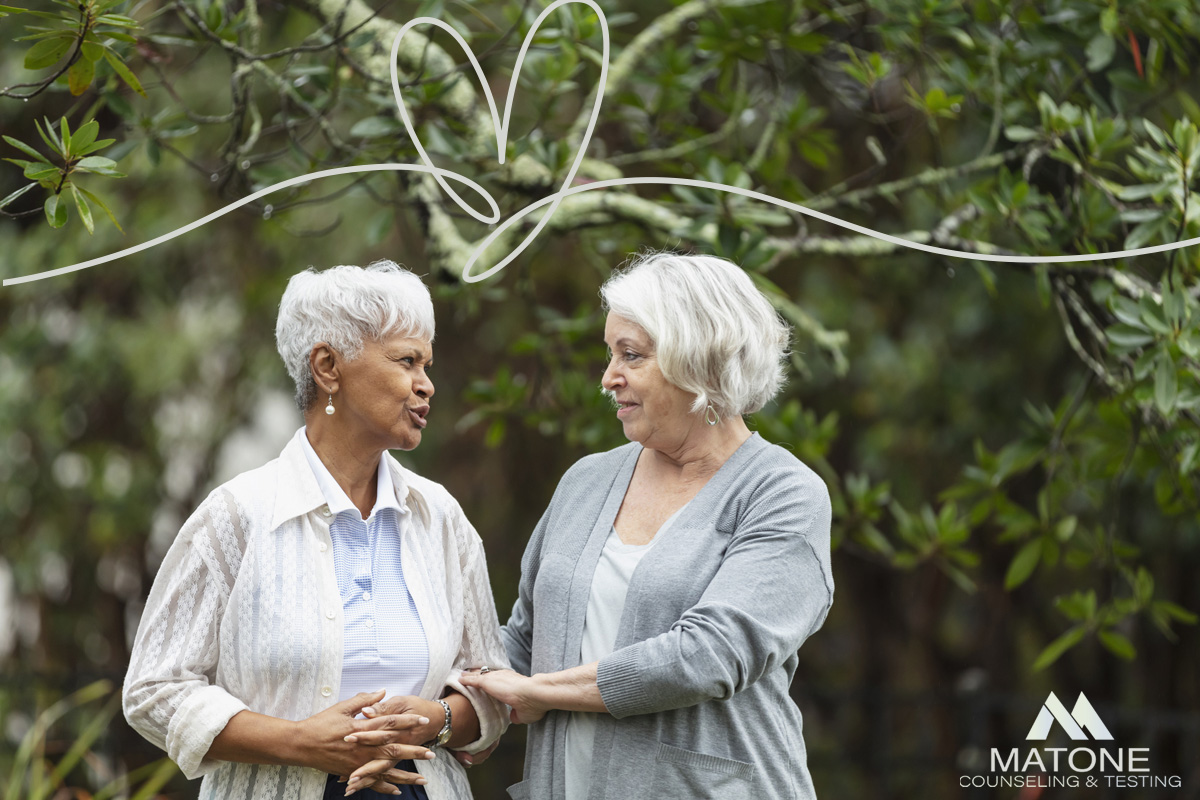
Palentine’s Day is a celebration of platonic love, friendship, self-love, and community. Unlike Valentine’s Day, it is not centered on romantic partnerships. And while Galentine’s Day highlights women’s friendships, Palentine’s Day is inclusive of all genders and identities.
Palentine’s Day honors the many meaningful relationships that support our mental and emotional well-being, including: Friendships Chosen family Community connections The relationship we have with ourselves.
Love is not one-size-fits-all. Palentine’s Day reminds us that all forms of connection matter.
Why Community and Connection Matter for Mental Health
Human connection plays a vital role in emotional health. Research published in the American Journal of Preventive Medicine shows that more than one-third of U.S. adults report moderate to severe loneliness. Prolonged loneliness has been linked to increased anxiety, depression, and emotional distress.
Helen Keller once said, “Alone we can do so little; together we can do so much.” This simple truth reminds us that connection and community are not optional, they are essential. While community is never perfect, it provides belonging, shared understanding, and support during both joyful and difficult seasons.
Reaching out to a friend, reconnecting with someone you trust, or having an honest conversation can be a powerful step toward emotional well-being.
Self-Love Is a Form of Mental Health Care
Palentine’s Day also invites us to practice self-love — not as a trend, but as intentional care. A popular cultural example is Miley Cyrus’ song I Can Buy Myself Flowers, which highlights independence, self-worth, and emotional resilience.
Healthy self-love can include: Setting boundaries in relationships Speaking to yourself with compassion Prioritizing rest and emotional needs Treating yourself kindly. Give yourself flowers, chocolate, or time alone!
These practices support emotional regulation, self-esteem, and long-term mental wellness.
Support Is Available at Matone Counseling and Testing
At Matone Counseling and Testing, we recognize that holidays like Valentine’s Day can bring up complex emotions, especially during life transitions such as separation, divorce, postpartum changes, or recovery. Our counseling team specializes in a wide range of mental health concerns and provides compassionate, individualized care.
You do not have to navigate difficult emotions alone. Counseling can help you feel supported, grounded, and connected.
A New Way Forward: Celebrate Palentine’s Day
Palentine’s Day is a reminder that love extends beyond romance. It’s an opportunity to celebrate: Friendships old and new Community and shared humanity Personal growth and resilience Compassion for others and for yourself.
As we shift the focus from Valentine’s Day to Palentine’s Day, we make room for connection, inclusivity, and hope. Love shows up in many forms and every one of them is worth celebrating.
About the Author

Kim Matone, LCMHC, is a Licensed Clinical Mental Health Counselor and Co-Founder of Matone Counseling and Testing. Kim specializes in women’s issues, perinatal mental health, life transitions, including separation and divorce. She also works extensively with individuals diagnosed with bipolar disorder and borderline personality disorder, and supports those in recovery from substance use disorders, as well as family members affected by addiction.
Kim’s approach is grounded in empathy, connection, and the belief that healing happens through supportive relationships and compassionate care.
Sources
National Institute of Mental Health Mental Health America U.S. Surgeon General Advisory on Social Connection and Loneliness American Journal of Preventive Medicine