


So many questions surround Panic Disorder. How serious is panic disorder? Is panic disorder a mental disability? Does panic disorder go away?
We can’t cover every question in a brief article, but you may find comfort in knowing that there are answers and there are ways to deal with panic disorder. We, at Matone Counseling, urge you to start by finding the right counselor to help you with your panic disorder concerns. This article offers general information on how panic feels and some ways for coping, but if you don’t find the answers to your questions, we hope you will let up help.
When Panic Feels Like the End – How Therapy Helps You Reclaim Control
“I thought something was seriously wrong with me. My heart was racing, I couldn’t breathe, and I felt like I was about to pass out. The ER said it was anxiety and sent me home. But I left more afraid than when I walked in.”
I hear versions of this often. Panic attacks don’t just frighten people in the moment, they change the way people move through their lives afterward. You start watching for danger in places that once felt normal: the grocery store, your commute, your own thoughts. You begin to avoid situations “just in case.” It makes sense. When your body feels like it’s sounding an alarm, it’s hard to know what’s safe anymore… including yourself.
Panic Is Not a Personal Failing
Panic and anxiety are protective responses, but in some people, the system gets stuck in overdrive. As Bandelow et al. (2017) explain, these are real, measurable surges of physiological arousal initiated by your brain’s threat system. Your heart rate increases, your breathing changes, and you may feel dizzy or detached. The sensations are real, even if the threat is not.
The confusion and shame people carry after these episodes can sometimes do more harm than the panic itself. Many clients assume their experience means something is wrong with them…that they’re broken or weak. In reality, they’re having an intense but common stress response that can be understood and treated.
Understanding Why It Keeps Happening
Often, what maintains panic isn’t the initial trigger, it’s what comes next. The fear of having another attack can lead to hypervigilance and avoidance. You start scanning your body for signs: Am I breathing too fast? Is my chest tight? This monitoring actually increases anxiety, which can feed the cycle further.
Therapy helps you observe these patterns in real time and build responses that reduce their intensity. As Hofmann et al. (2012) show in their meta-analysis of dozens of trials, Cognitive Behavioral Therapy (CBT) is consistently effective in treating panic and anxiety. The work involves breaking down automatic reactions, experimenting with small changes, and rebuilding confidence in your ability to handle distress.
What Therapy Might Look Like
At Matone, we start by slowing things down. We listen carefully to how anxiety operates in your life …when it shows up, how you respond, and what it has taught you to fear. Once we have a clearer picture, we begin experimenting with new ways to relate to those experiences. That might involve:
- Mapping the panic cycle and looking for pressure points where things escalate
- Practicing breathing and grounding techniques to stay oriented during anxiety spikes
- Testing the thoughts that drive panic, such as catastrophic predictions or rigid self-judgments
- Re-entering avoided situations gradually, using tools to increase tolerance and control
Therapy offers a space to work with fear rather than around it, without forcing yourself into situations you’re not ready for.
Beliefs About Emotion Make a Difference
Some clients struggle more with having anxiety than with the situations that trigger it. They feel ashamed for being emotional or out of control, which adds another layer of suffering. These are what Robert Leahy (2021) describes as emotional schemas: internal beliefs about the value, danger, or acceptability of emotions.
If someone believes that feeling anxious means they’re unstable or incapable, they’re more likely to fight the feeling, which paradoxically increases its power. Therapy helps people step outside that framework. Instead of trying to eliminate discomfort, we begin looking at what it’s communicating and how to respond with less fear.
Reclaiming Life After Panic
One client I worked with had stopped driving on highways, eating out, and being alone in public. They lived in constant anticipation of the next panic attack. We worked together to identify the early signals of anxiety, explore new coping tools, and test small challenges in a controlled way. Over time, they began confronting the situations they had avoided. The difference wasn’t that the anxiety disappeared, but they no longer felt helpless in the face of it.
Progress like this takes time. But it’s possible, and it’s meaningful.
You Don’t Have to Wait to Be “Ready”
Many people delay therapy because they believe they need to be in a better place to start. They assume therapy works best when they feel motivated, or feel confident and stable. But most clients begin the process in the middle of fear or uncertainty, exactly where therapy can be most useful.
At Matone, we expect you to come in with questions, doubts, and fears. That’s part of the work. The first steps are often the hardest. Not because you’re failing, but because you’re practicing new ways of being with yourself under stress.
A Way Forward That Makes Sense
Anxiety isn’t a character flaw. It’s a response shaped by your biology, your experiences, and your beliefs…and it can change. You don’t have to pretend to feel calm or strong in order to start therapy. The work begins when you’re ready to understand what fear is asking of you, and decide whether you still want to follow its lead.
Article by: Kim Bogert, LCMHCA
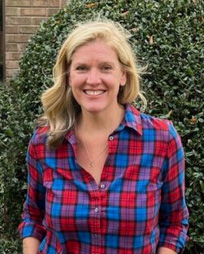
Kim Bogert is a Licensed Clinical Mental Health Counselor Associate in North Carolina. She works with adults and couples navigating anxiety, depression, grief and loss, OCD, life transitions, and a wide range of presenting issues.
Kim’s counseling style is compassionate, collaborative, and rooted in evidence-based care. She draws from Rational Emotive Behavior Therapy (REBT), person-centered therapy, cognitive behavioral therapy (CBT), Internal Family Systems (IFS), and existential approaches. Her goal is to create a supportive space where clients can explore emotions, deepen self-understanding, and build the tools needed for lasting growth.
Outside the counseling room, Kim enjoys mindfulness and meditation practice, yoga, time in nature, reading, and spending meaningful time with her family, kids, and dog.
References
Bandelow, B., Michaelis, S., & Wedekind, D. (2017). Treatment of anxiety disorders. Dialogues in Clinical Neuroscience, 19(2), 93–107. https://doi.org/10.31887/DCNS.2017.19.2/bbandelow
Choy, Y., Fyer, A. J., & Lipsitz, J. D. (2007). Treatment of specific phobia in adults. Clinical Psychology Review, 27(3), 266–286. https://doi.org/10.1016/j.cpr.2006.10.002
Clark, D. A., & Beck, A. T. (2010). Cognitive therapy of anxiety disorders: Science and practice. Guilford Press.
Hofmann, S. G., Asnaani, A., Vonk, I. J., Sawyer, A. T., & Fang, A. (2012). The efficacy of cognitive behavioral therapy: A review of meta-analyses. Cognitive Therapy and Research, 36(5), 427–440. https://www.ncbi.nlm.nih.gov/pmc/articles/PMC3584580/
Leahy, R. L. (2021). Emotional schemas and resistance to change in anxiety and depression. Psychology, 12(6), 1001–1021. https://www.scirp.org/journal/paperinformation?paperid=109129