


Postpartum Anxiety and Postpartum Depression: Symptoms, Causes, Treatment & When to Seek Help
Bringing a new baby into the world is often described as one of life’s happiest moments. While parenthood can bring immense joy, it can also introduce unexpected emotional challenges. Many new parents experience mood changes after childbirth, but when feelings of worry, sadness, or fear become overwhelming and persistent, they may be experiencing postpartum anxiety or postpartum depression.
These conditions are common, treatable, and nothing to be ashamed of. Recognizing the signs early can make a significant difference in recovery and overall well-being.
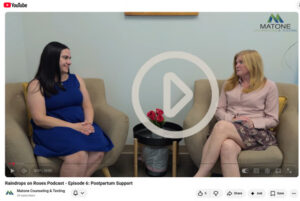
Watch the Raindrops On Roses interview with Tricia Allen, LCMHC and Kim Matone of Matone Counseling & Testing. At a recent Postpartum Support International Conference, they discuss postpartum depression, postpartum anxiety, when to seek professional help, and how to prepare for the unexpected.
The share both clinical expertise and personal experience. You don’t want to miss this one!
What Is Postpartum Depression?
Postpartum depression (PPD) is a mood disorder that develops during the first year after childbirth. Unlike the “baby blues,” which typically resolve within two weeks, postpartum depression is more intense and longer-lasting. It affects a person’s ability to function, bond with their baby, and enjoy daily life.
Common Symptoms of Postpartum Depression
- Persistent sadness, emptiness, or hopelessness
- Frequent crying or emotional numbness
- Loss of interest in activities once enjoyed
- Difficulty bonding with the baby
- Changes in appetite or sleep patterns
- Fatigue that goes beyond the normal exhaustion of caring for a newborn
- Feelings of guilt, worthlessness, or inadequacy
- Trouble concentrating or making decisions
- Thoughts of self-harm or harming the baby (which require immediate medical attention)
Postpartum depression can affect anyone, regardless of age, background, or whether this is their first child.
What Is Postpartum Anxiety?
While postpartum depression receives much attention, postpartum anxiety is equally important and often overlooked. It involves excessive worry, fear, or nervousness that interferes with daily life. Some people experience anxiety alone, while others experience it alongside depression.
Common Symptoms of Postpartum Anxiety
- Constant or uncontrollable worry about the baby’s health or safety
- Racing thoughts
- Feeling restless or unable to relax
- Difficulty sleeping, even when the baby is asleep
- Physical symptoms such as rapid heartbeat, dizziness, nausea, or shortness of breath
- Feeling on edge or irritable
- Repeatedly checking on the baby or engaging in excessive reassurance-seeking
- Fear that something terrible will happen despite reassurance
Many parents describe feeling trapped in a cycle of “what if” thinking that becomes difficult to control.
What Causes Postpartum Anxiety and Depression?
There is no single cause. Instead, these conditions typically result from a combination of physical, emotional, and environmental factors.
Contributing factors may include:
- Rapid hormonal changes after childbirth
- Sleep deprivation
- Previous history of anxiety or depression
- Family history of mental health conditions
- Stressful life events
- Lack of social support
- Complications during pregnancy or delivery
- Financial or relationship stress
- Challenges with breastfeeding or infant feeding
Experiencing these conditions is not a sign of weakness or poor parenting. When to Seek Help
It is important to seek professional help if symptoms:
- Last longer than two weeks
- Become increasingly severe
- Interfere with caring for yourself or your baby
- Affect relationships or daily functioning
- Include thoughts of self-harm or harming the baby
Early treatment often leads to better outcomes and faster recovery. It is also important to advocate for yourself when seeking the right fit for a treatment team.
Treatment Options
Therapy
Counseling, particularly cognitive behavioral therapy (CBT) and interpersonal therapy (IPT), has been shown to help many people manage postpartum depression and anxiety by addressing unhelpful thought patterns, improving coping skills, and strengthening support systems.
Medication
Antidepressant or anti-anxiety medications may be recommended for moderate to severe symptoms. Many medications are considered compatible with breastfeeding, though treatment decisions should always be made with a healthcare provider. For more specialized medications for anxiety and depression, schedule with a psychiatrist.
Support Groups
Connecting with others who have experienced postpartum mental health challenges can reduce feelings of isolation and provide valuable encouragement.
Self-Care
While self-care alone is not a treatment, it can support recovery by:
- Prioritizing rest whenever possible
- Accepting help from family and friends
- Asking for specific help (ex. Help washing the dishes instead of someone holding the baby)
- Eating balanced, nourishing meals
- Engaging in gentle physical activity when medically cleared
- Taking breaks without guilt
- Practicing mindfulness or relaxation techniques
- Maintaining realistic expectations during the transition to parenthood
Supporting Someone with Postpartum Anxiety or Depression
If someone you love is struggling:
- Listen without judgment.
- Validate their feelings.
- Offer practical help with meals, chores, or childcare.
- Encourage them to speak with a healthcare provider.
- Check in regularly.
Avoid minimizing their experience by saying things like, “You should be happy.” Compassion and understanding can make a meaningful difference.
Breaking the Stigma
Many parents feel pressure to appear happy and capable after giving birth. This expectation can prevent people from seeking help when they need it most. Postpartum anxiety and depression are medical conditions—not personal failures.
Talking openly about maternal mental health helps normalize these experiences and encourages others to seek care without fear or shame.
Further, it is common for both men and women to experience postpartum anxiety and depression.
A Message of Hope
Recovery from postpartum anxiety and depression is possible. With appropriate treatment, support, and time, most people experience significant improvement and go on to enjoy healthy relationships with their children and families.
If you or someone you know is struggling after childbirth, remember that asking for help is a sign of strength. No parent should have to navigate postpartum mental health challenges alone, and effective support is available.
Article by: Tricia Allen, LCMHC

Tricia Allen is a Licensed Clinical Mental Health Counselor in North Carolina. Tricia received her master’s of science in Mental Health Counseling in 2013 from State University of New York at Albany. After graduating, Tricia began working with families taking a Multi-Systemic approach to therapy. Tricia did MST for one year and then transitioned to a private practice setting. Tricia takes an eclectic approach to therapy, utilizing a variety of techniques and interventions to individualize treatment to each client’s specific needs.
Tricia has experience treating children, teens, individuals, families, and couples. She has experience treating a wide range of mental health disorders including: anxiety, depression, trauma, codependency and issues related to divorce. Tricia utilizes a Client-Centered approach, is skilled at Cognitive Behavioral therapy and has training in PCIT.
Tricia is originally a native of Colorado, but has been calling North Carolina home for over a decade. In Tricia’s free time, she enjoys spending time volunteering in animal rescue, spending time outdoors, exercising, dancing, and spending time with her rescue pets.