

A recent Matone Moments short video by Megan Zeitouni, LCMHCA (South Charlotte location) clearly outlines important differences between anxiety attacks and panic attacks. Below is an expanded, clinician-to-client friendly explanation you can use to recognize, respond to, and reduce the impact of these experiences.
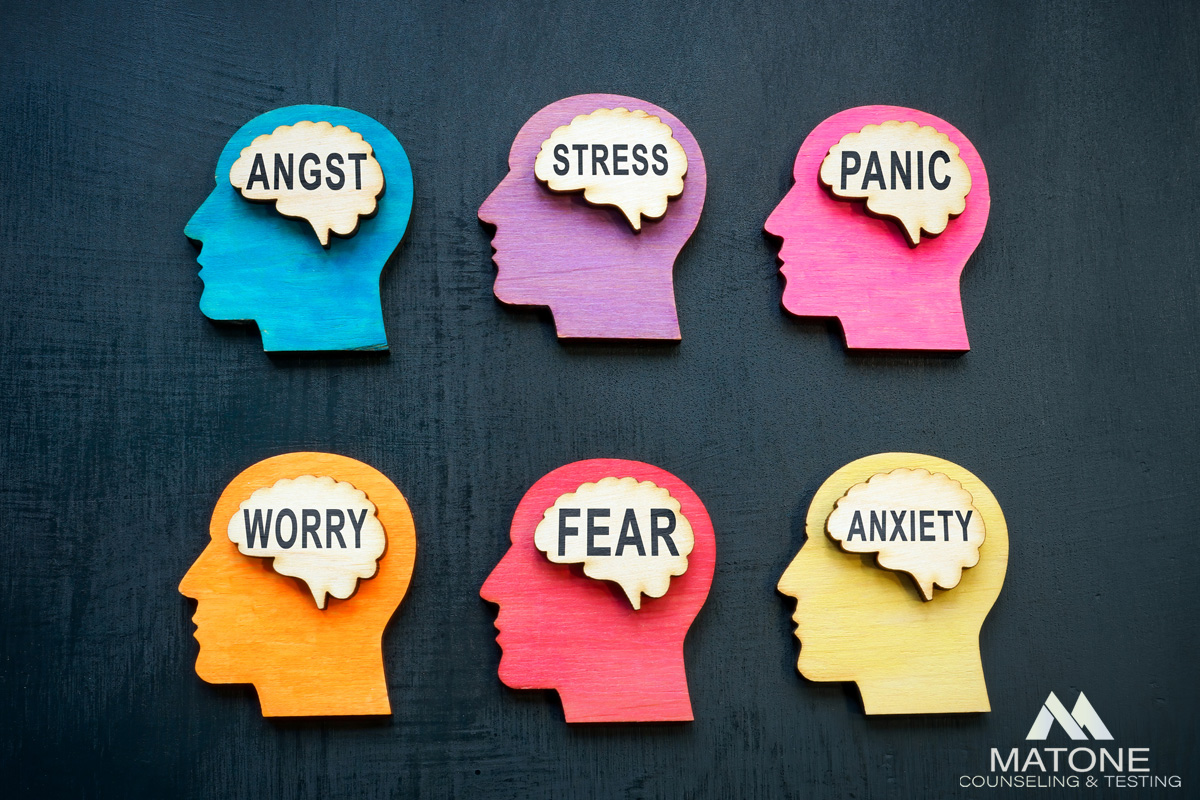
What’s the difference?
Panic Attacks
- Tend to come on suddenly and often without an obvious external trigger.
- Symptoms are intense and can feel life‑threatening: heart palpitations that feel like a heart attack or like you are going to die, chest pain or discomfort, nausea, numbness or tingling, shortness of breath, dizziness.
- Typically peak within 2–3 minutes and usually subside within about 20 minutes, though after‑effects (fatigue, shaken nerves) can last longer.
(As Megan Zeitouni noted in our Matone Moments short video.)
Anxiety Attacks
- More commonly built from a recognized stressor, worry, or perceived threat and are often tied to ongoing apprehension or rumination.
- Symptoms can include excessive worry, restlessness, feeling “on edge,” muscle tension, and fear of losing emotional control.
- Usually less intense than panic attacks, may develop more gradually, and can persist longer as part of an extended anxious state rather than a discrete, short-lived episode.
Why the distinction matters
- Response strategies differ: panic attacks often require grounding and quick physiological regulation; anxiety attacks frequently benefit from cognitive and behavioral strategies addressing worrying cycles and triggers.
- If attacks of either kind are frequent or disabling, a targeted clinical evaluation can identify underlying causes (panic disorder, generalized anxiety disorder, trauma responses, medical contributors, or mood concerns such as depression) and lead to effective treatment. (also see article on Dual Diagnosis)
Evidence and clinical guidance
- National organizations such as NAMI (National Alliance on Mental Illness) and Mental Health America describe similar symptom patterns and emphasize early recognition and seeking support when symptoms interfere with functioning.
- Resources from St. John’s Hospital underscore that cognitive-behavioral strategies, breathing and grounding techniques, exercise, and, when indicated, medication or trauma‑informed interventions can be effective components of treatment.
Practical strategies I use with clients
Immediate/short-term tools
- Deep breathing / square breathing: slow inhalation, hold, slow exhalation, hold (e.g., 4-4-4-4) to reduce physiological arousal.
- Grounding techniques: 5-4-3-2-1 sensory check to anchor attention.
- Acceptance and self‑soothing: normalize the experience (“This will pass”), validate feelings, and use calming self-talk.
- Recall past success: remind yourself you have gotten through similar episodes before.
- Quick physical release: do ten jumping jacks or a brief burst of movement to help discharge acute anxious energy.
Prevention and long-term tools
- Regular exercise: a consistent exercise schedule that includes cardio can lower baseline anxiety and improve resilience. Moderation is key. Balanced, sustainable routines work best.
- Daily mindfulness or meditation to reduce reactivity.
- Journaling to externalize worries and identify patterns or triggers.
- Visualization of a “safe space”: imagine a calming place (mountain, beach, favorite chair wrapped in a soft blanket with a warm cup of tea) to activate relaxation.
- Regular self-care (sleep, nutrition, stress management).
How anxiety can be adaptive
Anxiety can motivate preparation (studying for an exam) or enhance performance via increased arousal (e.g., improved race times). In therapy, the aim is to modulate anxiety so it’s useful rather than debilitating.
When to seek professional help
If panic or anxiety attacks are recurrent, increasingly intense, or interfere with daily life, consult a mental health professional to identify triggers and underlying factors (fear, sadness, trauma, medical issues). Treatment options include psychotherapy (CBT, exposure therapy, acceptance-based approaches), medication when appropriate, and skills training.
If panic or anxiety attacks are frequent or disruptive, Matone Counseling & Testing can help you! Contact our scheduling team at support@matonecounseling.com to schedule a session. Special thanks to Megan Zeitouni, LCMHCA, for her clear summary in our Matone Moments short video that helped shape this piece.
About the Author

Kimberly Matone
Kim Matone, LCMHC, is a mental health counselor and co-founder of Matone Counseling & Testing. She works primarily with women and women’s issues, particularly perinatal mental health including postpartum depression, anxiety, and psychosis. Kim is also committed to helping families and individuals in long-term recovery and works collaboratively with clients to create a safe space for mental healthcare. She hosts the YouTube podcast Raindrops On Roses, where she has authentic discussions with other mental healthcare providers and community partners.