


Beyond the Treatment Room: Nurturing Mental Health and Finding Support in Breast Cancer Survivorship
A breast cancer diagnosis reshapes life in an instant, demanding immense physical resilience. Yet, as survivors navigate the continuum from active treatment into long-term survivorship, emotional and psychological well-being become just as vital as physical recovery.
In a recent episode of Raindrops on Roses, host and listeners sat down with Susan Evren, Executive Director of Go Jen Go, to discuss the multifaceted reality of life after a diagnosis, especially how practical relief, mental health strategies, and community support work together to help survivors thrive.
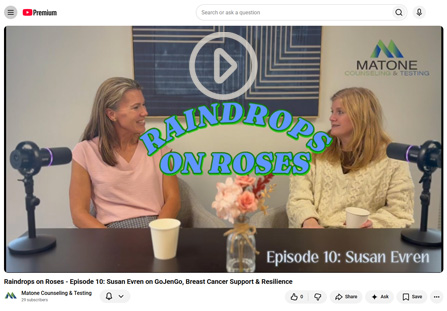
More than 4 million breast cancer survivors currently live in the United States. For each person, survivorship encompasses a unique blend of physical, psychosocial, and financial hurdles. Maintaining mental health through this journey requires recognizing emotional hurdles, embracing clinical coping strategies, and connecting with dedicated resources.
The Complex Emotional Landscape of Survivorship
Emotional responses to breast cancer do not follow a neat schedule. Many individuals experience intense emotional ups and downs before, during, and long after medical treatments conclude. Survivors often find that new psychological challenges arise once primary treatments end, a period when contact with the oncology care team decreases and feelings of disconnection can set in.
Clinical research and patient advocates emphasize that no emotional response is right or wrong, and there is no prescribed timeline for healing. Survivors commonly grapple with several core emotional and psychological challenges:
- Fear of Recurrence and “Scanxiety”: Anticipating follow-up imaging scans or worrying that cancer might return is one of the most widespread sources of ongoing distress.
- Grief Over Bodily and Identity Changes: Coping with surgical scarring, mastectomy, hair loss, changes in sexual health, or fertility loss often triggers profound grief and shifts in body image.
- Loss of Control and Uncertainty: Facing a major chronic or life-altering illness can create overwhelming anxiety regarding the future and mortality.
- Strained Relationships and Role Fatigue: Navigating communication with partners, children, or colleagues while managing everyday work and home expectations can feel exhausting.
- Financial Toxicity: Stress over medical bills, lost wages from unpaid leave, and basic living expenses adds an acute psychological burden.
Why Mental Health Care Is Integral to Cancer Care
Mental health support is not merely an optional comfort; it plays a direct role in clinical outcomes and survivorship quality of life.
Chronic psychological stress activates biological pathways involving altered hormonal signaling, chronic inflammation, and immune dysregulation. Conversely, clinical studies show that patients who receive mental health support to manage emotional distress are more likely to adhere to their medical treatment plans, attend follow-up visits, maintain healthy nutrition, and stay physically active. Decreases in depressive and anxiety symptoms among cancer patients have been linked to improved quality of life, better sleep, stronger relationships, and favorable long-term survival outcomes.
Clinical Mental Health Strategies for Chronic Illness and Cancer
Counselors, oncology social workers, and therapists specializing in psycho-oncology utilize several evidence-based coping frameworks to support individuals living with chronic illness and cancer:
- Focusing on What Can Be Controlled
A central hurdle in serious illness is the sudden loss of agency. Therapists emphasize the principle of focusing energy strictly on what remains within personal control, while acknowledging what cannot be controlled. Gathering reliable information, seeking second opinions, and actively participating in care decisions can be stabilizing and restore a sense of autonomy.
- Practicing Present-Moment Grounding
When fears of the future and long-term uncertainty become paralyzing, counselors guide clients to practice living in the present moment. Evidence-backed complementary practices, such as mindfulness meditation, expressive journaling, art therapy, music therapy, or gentle time with pets, serve as cognitive anchors that interrupt cyclical worry and lower autonomic nervous system arousal.
- Processing Grief and Normalizing “Ambiguous Loss”
Survivors frequently feel pressured to appear strictly optimistic or celebrate the end of treatment, which can lead to suppressed grief. Therapists validate that one can be grateful for survival while simultaneously mourning the loss of physical stamina, former bodily appearance, or emotional carefree days.
- Delegating Concrete Tasks and Setting Boundaries
Navigating social interactions and explaining health updates to concerned acquaintances consumes valuable energy. Counselors recommend setting boundaries, such as directing inquiring loved ones to trusted educational resources, and practicing direct task delegation. When family or friends ask how to help, assigning specific, actionable tasks (such as cooking a meal, picking up groceries, or cleaning) preserves personal energy for rest and recovery.
- Evaluating Work and Identity Alignment
Deciding whether or when to return to work involves balancing practical financial needs with physical stamina. Therapists encourage survivors to weigh both sides: work can serve as a positive, stabilizing distraction and a reconnection to normal identity, provided it does not compromise health or induce burnout.
Lifting the Financial Burden: The Role of Go Jen Go
Emotional and psychological wellness cannot be separated from real-world, practical security. Unmanageable household bills often stand in the way of rest, healing, and peace of mind.
This intersection of practical relief and emotional breathing room is where Go Jen Go steps in. Founded in 2009 by Jen Pagani during her own experience with stage III breast cancer, the foundation recognized that non-medical financial strains should never prevent patients from covering basic living needs. Serving the Greater Charlotte Area, Go Jen Go provides critical financial grants directly covering everyday essentials:
- Housing and rent assistance
- Utility bills
- Transportation to treatments
- Groceries and nutrition
- Family support and hope
By alleviating immediate financial panic, organizations like Go Jen Go allow patients and survivors to redirect their energy away from financial survival and toward physical and mental restoration.
Resources and Support Networks
No survivor or caregiver should have to navigate the emotional and practical impact of breast cancer alone. A combination of local Charlotte organizations and national networks provide direct financial relief, specialized psycho-oncology counseling, and community-based mental health care:
Go Jen Go Foundation: Provides critical financial grants for household essentials—including rent, utilities, groceries, and transportation to treatment—for breast cancer patients and their families throughout the Greater Charlotte area.
NAMI Charlotte (National Alliance on Mental Illness): Offers free, peer-led mental health support groups, educational classes, and advocacy resources for individuals navigating anxiety, depression, and distress, as well as dedicated support groups for family members and caregivers coping with the emotional weight of a loved one’s illness. https://namicharlotte.org/
Mental Health America (MHA / MHA of Central Carolinas): Dedicated to promoting mental wellness through free confidential mental health screenings, community education, caregiver support, and personalized assistance navigating regional mental health care providers and specialized counseling. https://mhaofcc.org/
Hospital-Based Supportive Oncology (e.g., Atrium Health Levine Cancer): Regional cancer centers provide integrated supportive oncology teams featuring clinical social workers, psycho-oncologists, dietitians, and patient navigators focused on cancer-related mental health and survivorship care.
OncoHealth https://oncohealth.us/: A global online support hub offering free virtual peer meetups, specialized discussion boards for all stages of breast cancer, and clinician-reviewed guides for coping with “scanxiety” and life after treatment.
American Cancer Society (ACS): Connects patients with 24/7 support specialists via the National Cancer Helpline (1-800-227-2345), alongside the ACS CARES™ community app, Hope Lodge lodging, and Road to Recovery transit programs.
Kim Matone
About Kim Matone, LCMHC

Kimberly Matone, LCMHC
Kim Matone, LCMHC, is a mental health counselor and co-founder of Matone Counseling & Testing. She works primarily with women and women’s issues, particularly perinatal mental health including postpartum depression, anxiety, and psychosis. Kim is also committed to helping families and individuals in long-term recovery and works collaboratively with clients to create a safe space for mental healthcare. She hosts the YouTube podcast Raindrops On Roses, where she has authentic discussions with other mental healthcare providers and community partners.