

If you’ve ever tried to get help for your mental health, you may have noticed something frustrating—support doesn’t always feel complete. Maybe therapy helps, but you still feel stuck outside of sessions. Maybe you’re not even sure where to start, or what kind of support you actually need.
The truth is, mental health care doesn’t happen in isolation. Real, lasting change often requires more than just one hour a week—it involves the support systems, resources, and community around you.
At Matone Counseling & Testing, we believe therapy works best when it’s connected to the real world you’re living in. That’s why we stay closely connected to our community—so we can help you not only understand what you’re going through, but also find the right kind of support to move forward.
Our commitment to community partnership is not just a reflection of our values—it is a clinical necessity. To truly serve our clients with compassion, accessibility, and cultural humility, we believe therapists must stay connected to the real-world challenges impacting the people sitting across from us.
For our founder, Kim Matone, this mindset is rooted in her early work as a Community Organizer for the Charlotte Drug Free Coalition. That experience shaped her belief that meaningful change happens outside of silos. Today, she still considers herself a community organizer at heart—only now, that lens informs how MCT partners, learns, and grows alongside local nonprofits.
The reality is clear: mental health needs in our communities are significant—and growing.
According to National Alliance on Mental Illness (NAMI), more than 1 in 5 U.S. adults experience mental illness each year, and 1 in 20 experience serious mental illness. Among youth, 1 in 7 are living with a mental health condition, and suicide remains the second leading cause of death for ages 10–24. (NAMI)
At the same time, access to care remains a challenge. Only about half of adults with mental illness receive treatment, and there is an average 11-year delay between symptom onset and care. (NAMI)
These statistics—drawn from NAMI and national data sources like Substance Abuse and Mental Health Services Administration (SAMHSA)—highlight a critical truth: (BOLD)therapy alone cannot close the gap. Community education, advocacy, peer support, and prevention efforts are essential parts of the mental health ecosystem.
Organizations like Mental Health America of Central Carolinas further emphasize early intervention, education, and reducing stigma—key components that help individuals seek support sooner and more effectively.
How Partnerships Make Us Better Clinicians
At MCT, our partnerships with local nonprofits are not just philanthropic—they are deeply clinical. They help us:
- Understand real-time community needs (e.g., gaps in access, stigma, systemic barriers)
- Stay culturally responsive and inclusive, particularly when working with marginalized populations
- Expand referral networks so clients can access wraparound support beyond therapy
- Enhance psychoeducation, drawing from evidence-based community resources
- When we collaborate with organizations like NAMI Charlotte, we gain insight into lived experiences through peer-led groups and family education. This allows us to better support clients navigating diagnoses, caregiving roles, and stigma.
Through connections with Mental Health America of Central Carolinas, we deepen our understanding of prevention, workplace mental health, and community-wide wellness initiatives—key areas that impact many of our clients before they ever enter therapy.
And through alignment with national research and data from Substance Abuse and Mental Health Services Administration, we ensure our clinical work is grounded in the broader landscape of mental health trends, access issues, and public health priorities.
Supporting Organizations That Reflect Our Clients
We are intentional about supporting nonprofits that reflect the diverse identities and experiences of the individuals we serve. These include:
- NAMI Charlotte
- Mental Health America of Central Carolinas
- GoJenGo Foundation
- American Foundation for Suicide Prevention
- Time Out Youth
- Charlotte Pride
- KinderMourn
Each of these organizations addresses a unique aspect of mental health—whether it’s grief, identity, illness, crisis, or belonging. By staying connected to their work, we become better equipped to meet our clients with empathy, awareness, and relevant resources.
Spotlight: Playing For Others
In a recent episode of Raindrops on Roses, Kim interviewed Jen Band, Founder and Executive Director of Playing For Others.
Playing For Others empowers high school students through service, leadership, and connection—helping them build identity, purpose, and belonging. These are not just “nice to have” qualities—they are protective factors for mental health, especially during adolescence when, as research shows, 50% of mental health conditions begin by age 14. (NAMI)
This mission aligns seamlessly with MCT’s vision: fostering resilience, connection, and growth both inside and outside the therapy room.
A Shared Responsibility
At Matone Counseling & Testing, we don’t see ourselves as separate from the community—we see ourselves as part of a larger system of care.
By partnering with organizations, learning from national data, and staying engaged locally, we ensure that our clinicians are not only skilled—but informed, connected, and responsive.
Because when we invest in our community, we ultimately provide better care to every individual and family we serve.
Article by: Kim Matone
About the Author
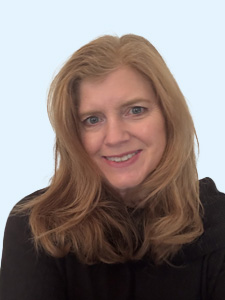
Kimberly Matone
Kim Matone, LCMHC, is a mental health counselor and co-founder of Matone Counseling & Testing. She works primarily with women and women’s issues, particularly perinatal mental health including postpartum depression, anxiety, and psychosis. Kim is also committed to helping families and individuals in long-term recovery and works collaboratively with clients to create a safe space for mental healthcare. She hosts the YouTube podcast Raindrops On Roses, where she has authentic discussions with other mental healthcare providers and community partners.