

One of the most discouraging experiences in a relationship is having the same argument over and over again.
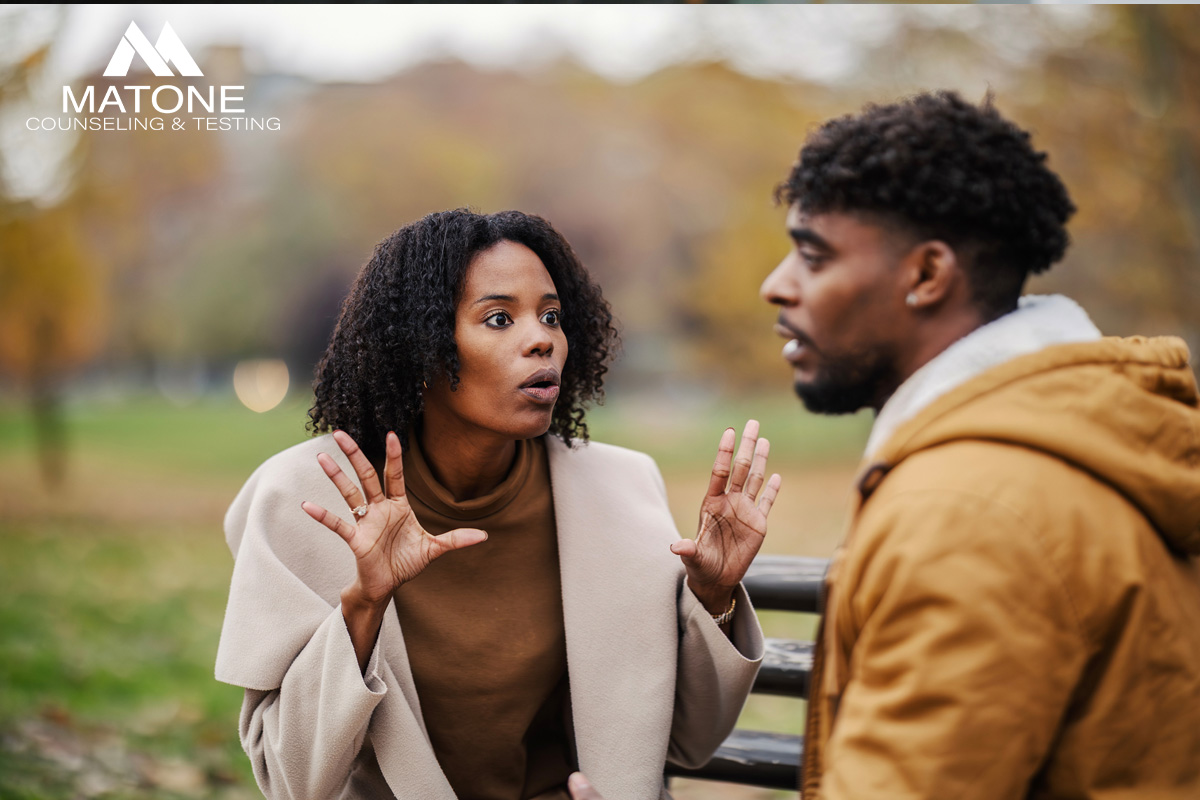
Couples often come into therapy exhausted by this pattern. They may feel confused about why certain conversations escalate so quickly or why they continue getting pulled into the same cycle despite genuinely loving one another. Many couples describe feeling like they are speaking different languages — one person feels unheard, while the other feels criticized, blamed, or like nothing they do is ever enough.

Over time, these repeated interactions can create a great deal of frustration, and over time, sometimes even hopelessness. Partners may begin assuming the problem is incompatibility, lack of effort, or that the relationship itself is failing. But many times, the issue is not the conflict itself — it is the meaning each person’s nervous system attaches to the conflict.
Most people are not reacting only to what is happening in the present moment. They are also reacting to what the moment represents emotionally.
For example, one partner asking for reassurance may not simply be asking about plans for the evening. Underneath that request may be a fear of not mattering or being emotionally alone. Another partner becoming quiet during conflict may not be trying to disconnect or avoid responsibility. They may feel overwhelmed internally and fear making things worse if they say the wrong thing.
These reactions often happen automatically and outside of conscious awareness. In relationships, our nervous systems are constantly scanning for emotional safety and connection. When we feel threatened emotionally — whether through criticism, rejection, distance, or conflict — we tend to move into protective patterns. Some people pursue harder for connection. Others withdraw, shut down, become defensive, or try to regain control. Neither response is usually about wanting to hurt the other person. More often, they are attempts to protect oneself from pain.
The challenge is that these protective responses often create the exact disconnection both people are afraid of.
This is one reason couples therapy can feel so different from simply “talking through problems” at home. Therapy creates space to slow interactions down enough for both partners to understand not just what is happening between them, but why it is happening. As couples begin identifying the fears, emotions, and vulnerabilities underneath their reactions, they often start seeing one another differently.
The conversation slowly shifts from “Why are you like this?” to “What happens inside of you when this occurs?”
When couples are able to understand the emotional meaning underneath each other’s behaviors, compassion often begins replacing blame. Defensiveness softens. People become less focused on winning the argument and more focused on protecting the relationship itself.
When couples can repeatedly have new experiences involving emotional safety, understanding, repair, and connection, it allows space for healing and growth to occur. The work is not about eliminating conflict altogether, but learning how to move through conflict in ways that bring two people closer instead of farther apart.
See more articles on Couples Counseling: