

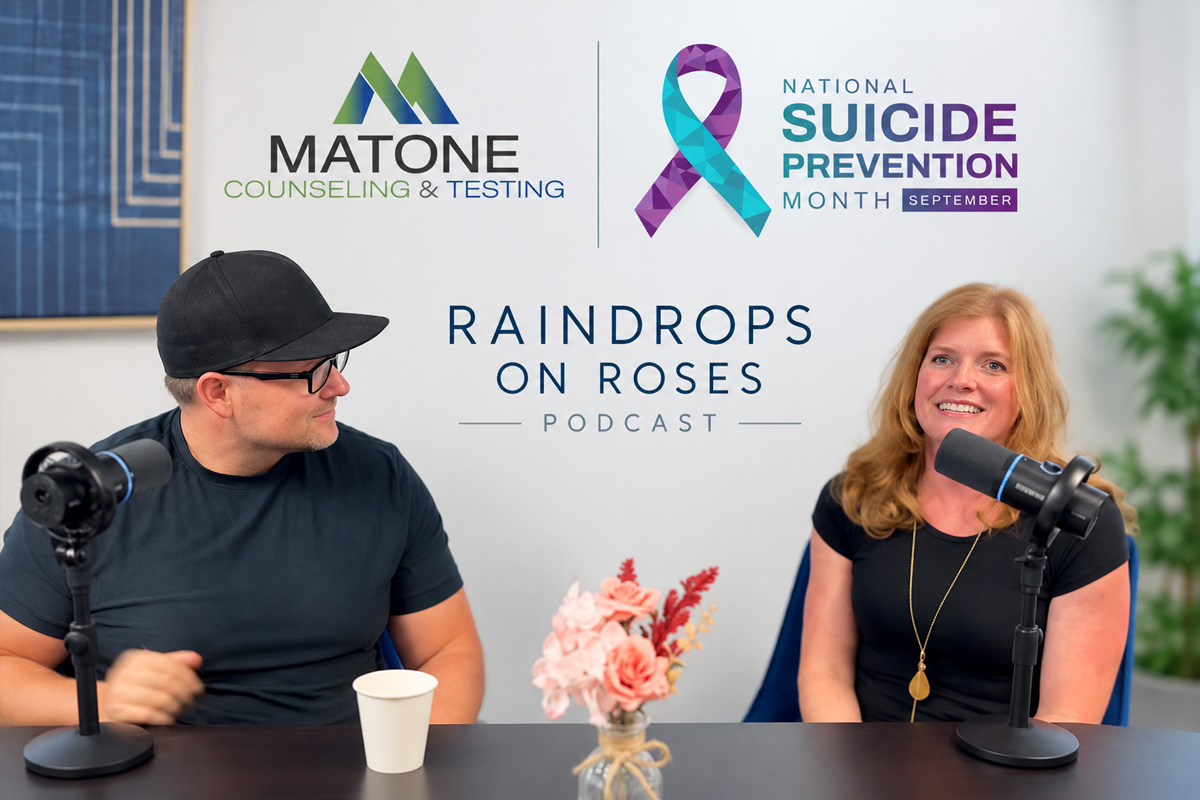
At Matone Counseling & Testing, we aim to foster healing, connection, and understanding.
In our ongoing effort to make mental health conversations more open and less stigmatizing, we must face one of the most painful yet critical topics of our time: suicide prevention.
September is Suicide Prevention Month, a designated, vital time of the year to raise awareness, spread hope, and mobilize communities around one of the most urgent mental health issues of our day. Suicide is a complex public health issue that touches countless lives, and it is a reality that does not discriminate. It spans all races, cultural communities, and socioeconomic status. It affects parents, children, colleagues, and neighbors. For Kim Matone, LCMHC and Co-Founder of Matone Counseling & Testing, this topic is profoundly close to her heart, as she and her family recently experienced the devastating loss of a beloved family member to suicide. It is out of this deep, personal grief, and a shared professional dedication, that we write this guide: to break the silence, dismantle the shame, and remind everyone that no one has to walk this path alone.
This Month’s Highlight: A Conversation of Hope with Matt Simon, LMFT
Featured On: Roses on Raindrops Videos & Podcast
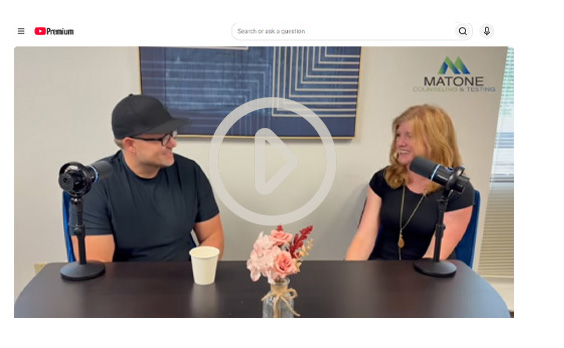
Storytelling and courageous conversations have the power to heal. This month, Kim Matone sits down for a deeply moving interview with Matt Simon, LMFT, to discuss his upcoming documentary, The Calm and The Storm. Through this film, Matt aims to bring the lived experiences of individuals and families into the light, providing a voice to those who have struggled and those who have lost loved ones.
Opening up about our mental health journeys, the good, the bad, and the messy, creates a vital space for community-wide healing. By sharing these stories, Kim and Matt are working to ensure that silence is never the response to someone’s pain.
How You Can Watch and Support:
- Watch the Trailer: Experience an intimate first look at this vital narrative by watching The Calm and The Storm trailer.
- Support the Documentary: If you feel moved to support the production, advocacy, and outreach of this incredible project, you can make a contribution directly through The Calm and The Storm Donation Form.
- Listen to the Episode: Catch up on Matt’s profound conversation and insights on his Raindrops on Roses episode. 🌹

Listen to Raindrops On Roses Podcast
Keep an eye on our website and social media channels for the release of Kim’s full interview with Matt and additional updates on the documentary’s release.
Walking the Walk: Our Community Involvement & Advocacy
At Matone Counseling & Testing, we don’t just talk about suicide prevention in the therapy room, we put a strong emphasis on helping the wider community prevent suicide and build deep mental health awareness. We believe in actively showing up, walking alongside families, and advocating for systemic hope.
To bring this mission to life, we are proud to participate in key advocacy walks and community coalitions:
- The Charlotte NAMI Walk: Supporting the National Alliance on Mental Illness to raise funds, provide free local resources, and combat mental health stigma through community connection.
- The Western NC AFSP Walk: Partnering with the American Foundation for Suicide Prevention to bring suicide out of the darkness, support survivors of suicide loss, and fund vital research.
- Lives of Hope Community Meetings: Actively participating in these community-led forums focused entirely on bringing hope, providing peer support, and designing grassroots suicide prevention strategies.
Recognizing the Warning Signs: When and How to Help
Suicidal thoughts, also known as suicidal ideation, can begin small, such as passing thoughts like “I wish I wasn’t here” or “Nothing matters.” Over time, however, these thoughts can become more explicit and dangerous. Knowing what to look for can empower us to intervene before a crisis escalates.
Common Warning Signs:
- Withdrawal from community, friends, and family.
- Increased alcohol and drug use.
- Dramatic mood swings or aggressive behavior.
- Impulsive or reckless behavior.
Signs of a Psychiatric Emergency:
If you or a loved one begins taking any of the following steps, seek immediate professional help or contact emergency crisis lines:
- Collecting and saving pills or seeking access to weapons.
- Giving away cherished possessions..
- Saying goodbye to friends, family, and loved ones.
- Tying up loose ends, such as organizing personal papers, paying off debts, or writing a will.
Understanding the Roots: Why Suicide Occurs
Research has found that 46% of people who die by suicide had a known mental health condition. However, suicide is rarely caused by a single factor. It is often the result of an accumulation of various underlying risks and stressors, including:
- Prolonged stress or a history of trauma and abuse.
- A family history of suicide.
- A recent tragedy, loss, or grief.
- Serious or chronic medical illnesses.
- Substance use and intoxication: Alcohol and drugs can create extreme emotional highs and lows that worsen suicidal ideation. In fact, CDC analyses indicate that approximately 1 in 5 people who die by suicide had alcohol in their system at the time of death.
- Demographic patterns: While more women attempt suicide, men are four times more likely to die by suicide.
It is vital to understand that suicidal thoughts are a treatable symptom of deeper pain, just like any physical health symptom. With the right professional support and therapeutic intervention, these thoughts can improve, and recovery is entirely possible.
Coping Skills & Therapeutic Pathways
Coping with intense emotional pain requires a mixture of professional support, community connection, and active, evidence-based coping skills.
- Professional Therapy & Specialty Care
At Matone Counseling & Testing, our therapists work extensively with individuals who have experienced trauma. We understand how deeply trauma, abuse, and prolonged stress are connected to suicide risk. Seeking professional therapy is a powerful step in navigating these complex feelings and building emotional resilience.
Four highly effective, evidence-based psychotherapies we offer include:
- Trauma-Focused Cognitive Behavioral Therapy (TF-CBT): While standard Cognitive Behavioral Therapy (CBT) helps individuals recognize and restructure ineffective patterns of thinking and behavior. Trauma-Focused CBT is specifically tailored to help those processing trauma and abuse. It provides a safe space to process painful memories, manage stress, and heal the cognitive pathways impacted by trauma.
- Dialectical Behavior Therapy (DBT): DBT is a structured form of therapy designed to help individuals validate their feelings, manage overwhelming emotions, and learn positive, practical coping skills to navigate severe distress. Rather than just aiming to stop negative behaviors, the ultimate goal of DBT is to help individuals build “a life worth living”, guiding them toward a future filled with genuine meaning, connection, and hope.
- Eye Movement Desensitization and Reprocessing (EMDR): We offer EMDR, a powerful, evidence-based therapeutic approach designed to help the brain reprocess traumatic memories. By reducing the emotional charge and vividness of traumatic experiences, EMDR allows individuals to heal from the psychological distress of past trauma.
- Internal Family Systems (IFS) Therapy: Our practice includes clinicians trained in Internal Family Systems (IFS). This transformative, trauma-informed model helps individuals understand and harmonize the different “parts” of their inner system. By exploring and healing wounded parts with compassion, IFS empowers clients to access their core Self, promoting profound self-leadership and emotional safety.
- Community Education & Training
In addition to therapeutic settings, building community-wide resilience is key to breaking the stigma. Local education and outreach can make a profound difference. Organizations like Mental Health America (MHA) of Central Carolinas provide invaluable local training programs designed to empower community members to recognize distress:
- Mental Health First Aid (MHFA): This course teaches participants how to identify, understand, and respond to signs of mental illnesses and substance use disorders, providing concrete steps to support someone in need.
- QPR (Question, Persuade, Refer) Gatekeeper Training: Just as CPR prepares a bystander to save a life in a cardiac emergency, QPR training equips community members with three simple steps anyone can learn to help prevent suicide and guide someone to safety.
- Supportive Conversations and Active Listening
If you are supporting a loved one, adopting an open and compassionate mindset is life-saving.
- Ask directly: Do not be afraid to talk openly and ask direct questions, such as, “Are you thinking about killing yourself?” or “Do you have a plan?.” Research shows that asking directly does not put the idea in their head or make an attempt more likely; rather, it opens a door for honest relief.
- Listen without judgment: Avoid debating whether suicide is right or wrong, and resist the urge to “disprove” their pain (e.g., saying “Your life isn’t that bad!”). Use active listening techniques to reflect their feelings and summarize their thoughts so they feel heard and validated.
- Be patient and calm: Keep your voice steady, do not threaten or argue, and stay with the person until professional help is secured.
- Restricting Access to Means
A crucial safety step in any crisis is removing lethal means, such as firearms, knives, or stockpiled medications, from the individual’s immediate environment.
Where to Turn for Immediate Help: 988 and Crisis Resources
If you are experiencing a mental health emergency, thoughts of suicide, or substance use distress, or if you are worried about a loved one, please know that you are not alone and help is available 24/7.
- 988 Suicide & Crisis Lifeline:
- Call or text 988 (or chat online at 988lifeline.org) to connect immediately with a trained, compassionate crisis counselor.
- This service is completely free, confidential, and available 24/7
- 3 in 4 people who contact the 988 Lifeline report that they received the help they needed to navigate their crisis.
- Emergency Services:
- If danger of self-harm is imminent, call 911 or go to the nearest emergency room immediately.
At Matone Counseling & Testing, we stand ready to support you on your journey toward wellness and healing. Let us work together to make mental health conversations a normal, supportive part of our everyday lives.
Sources: NAMI Charlotte, MHA of the Central Carolinas, SAMSHA, AFSP
Article by: Kim Matone
About Kim Matone, LCMHC

Kimberly Matone, LCMHC
Kim Matone, LCMHC, is a mental health counselor and co-founder of Matone Counseling & Testing. She works primarily with women and women’s issues, particularly perinatal mental health including postpartum depression, anxiety, and psychosis. Kim is also committed to helping families and individuals in long-term recovery and works collaboratively with clients to create a safe space for mental healthcare. She hosts the YouTube podcast Raindrops On Roses, where she has authentic discussions with other mental healthcare providers and community partners.
Sources: NAMI Charlotte, MHA of the Central Carolinas, SAMSHA, AFSP